
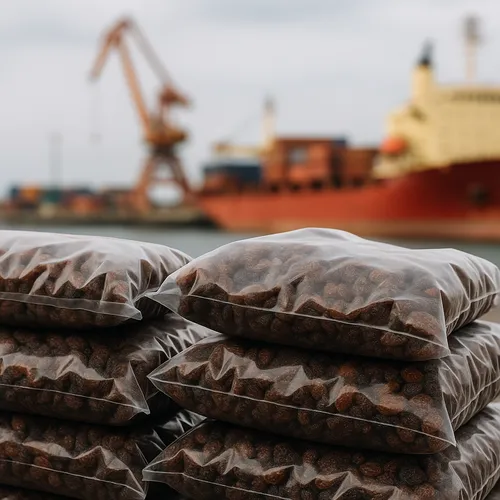
Why mix raisins with other dried fruits?
Raisins are one of the most freight-efficient dried fruits, but many buyers improve efficiency further by combining raisins with figs, apricots, mulberries or even nuts in the same full-container load (FCL). The benefits include:
- Lower cost per kg by fully utilizing container space
- Smoother inventory turnover across different SKUs
- Reduced supply chain fragmentation compared to multiple LCL shipments
- Improved shipment scheduling for seasonal demand peaks
This strategy is especially useful for importers with multi-category ranges who want balanced stock without committing to single-SKU containers.
Compatible products for combining with raisins
Raisins ship well with other dried fruits when carton type, pallet weight and moisture considerations are respected. The most common combinations include:
- Dried figs — similar carton dimensions and stable moisture
- Dried apricots — usually poly-lined cartons or vacuum blocks
- Dried mulberries — lightweight but compatible in mixed pallets
- Apricot kernels and nuts — when packed in well-sealed cartons
Importers should avoid mixing raisins with products that emit strong odours or require lower-temperature storage.
Pallet planning for mixed containers
The most successful mixed-container programs follow clear palletization rules:
- Group each product type per pallet for clean handling and traceability
- Balance pallet weight to avoid leaning or collapse in transit
- Use stretch wrap with corner protectors to stabilize height differences
- Label pallets clearly with item, grade, production date and destination lot numbers
This structured approach prevents cross-contamination and protects product integrity even in long-distance shipments.
Segregation and product protection
Although raisins are robust, mixed loads still require segregation:
- Separate pallets by product category (fruits, nuts, oils, pastes)
- Keep high-moisture items away from drier ones to avoid condensation risks
- Use slip sheets when stacking pallets with different heights
When carrying nuts together with raisins, additional barrier film inside cartons is recommended.
Documentation considerations
A mixed container requires more detailed documentation than a single-SKU load:
- Packing list listing each SKU, grade and pallet count
- Separate lot numbers for each product category
- Certificates (organic, pesticide, origin) itemized by SKU
- HS codes listed separately for correct customs classification
Clarity in documentation prevents customs delays and supports traceability requirements for food suppliers.
Cost-saving potential
Depending on the destination, importers often achieve:
- 5–12% lower freight-per-kg
- Better stock coverage across multiple items
- More flexible promotional planning since multiple SKUs arrive together
This method is one of the most effective ways to maintain competitive pricing in retail and manufacturing markets.
Summary
Mixing raisins with other dried fruits in one container is a proven way to decrease freight costs, simplify logistics and maintain consistent product availability. With proper pallet planning, segregation and documentation, importers can maximize efficiency while preserving product quality.
Atlas supports full mixed-container planning for raisins, figs, apricots, mulberries and nuts — including pallet maps, packing lists and combined loading schedules.