
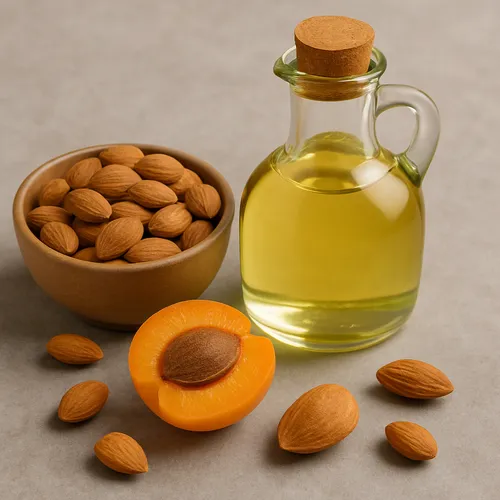
Understanding the role of kernel quality in oil production
The quality of apricot kernel oil is defined by the quality of the kernels themselves. For cosmetic-grade oil in particular, buyers look for:
- Sweet edible kernels (never bitter varieties)
- Low moisture for stable extraction and storage
- Uniform colour without dark or oxidised pieces
- Minimal mechanical damage to preserve oil quality
- Clean, foreign-matter-free lots ready for pressing
Since the oil reflects the kernel's fat profile, consistent lots are essential for stable product quality.
Cleaning steps before extraction
Before entering the press, kernels typically undergo:
- Sieving to remove dust and small fragments
- Gravity separation to exclude stones or heavier impurities
- Metal detection for full safety compliance
- Optional light roasting depending on flavour goals
Most cosmetic oil producers prefer raw kernels to maintain a neutral aroma and light colour.
Expected oil yields and performance
The typical fat content of sweet apricot kernels is around 45–50%, though yields vary based on:
- kernel grade
- moisture level
- press type (cold press vs expeller)
- batch uniformity
Cold-pressed oil maximises nutritional and cosmetic value but may produce slightly lower yields compared to expeller-pressed oil.
Applications in cosmetics and specialty foods
Apricot kernel oil is widely valued for its mild scent, fast absorption and gentle skin feel. It is commonly used in:
- Massage oils
- Facial oils and serums
- Baby-care formulations
- Balm and butter bases
- Light frying or flavour enhancement in niche food products
Bulk packaging options
Bulk buyers typically choose from one of the following:
- 20–190 kg steel drums — the most common format
- IBC tanks — for high-volume oil users
- PET or HDPE containers — for smaller production runs
Oxygen exposure should be minimised, especially for cold-pressed cosmetic oils.
Sourcing considerations for importers
When planning kernel oil projects, buyers typically request:
- Full certifications — organic, ISO, HACCP, cosmetic-grade declarations
- Crop year information for consistency
- Stability data for cosmetic manufacturing
- Long-term supply planning to align with seasonal kernel availability
Summary
Apricot kernel oil projects benefit greatly from consistent, clean and food-grade sweet kernels. By defining quality, cleaning steps, acceptable moisture levels and packaging formats in advance, buyers can ensure smooth extraction performance and stable finished product quality.
Atlas supplies calibrated sweet apricot kernels suitable for both food-grade and cosmetic oil extraction.